 JOOPOONG
5-layer PE tubes
- Material preparation
- 5-layer coextrusion
- Printing
- Neck injection molding
- Stamping and sealing
- Cap molding and capping
- Inspection and packaging
MANUFACTURING PROCESS
Connected operations turn tube bodies and caps into a complete cosmetic package.
We check each stage from material preparation and tube forming to neck injection molding, printing, decoration, capping, inspection, and packing.
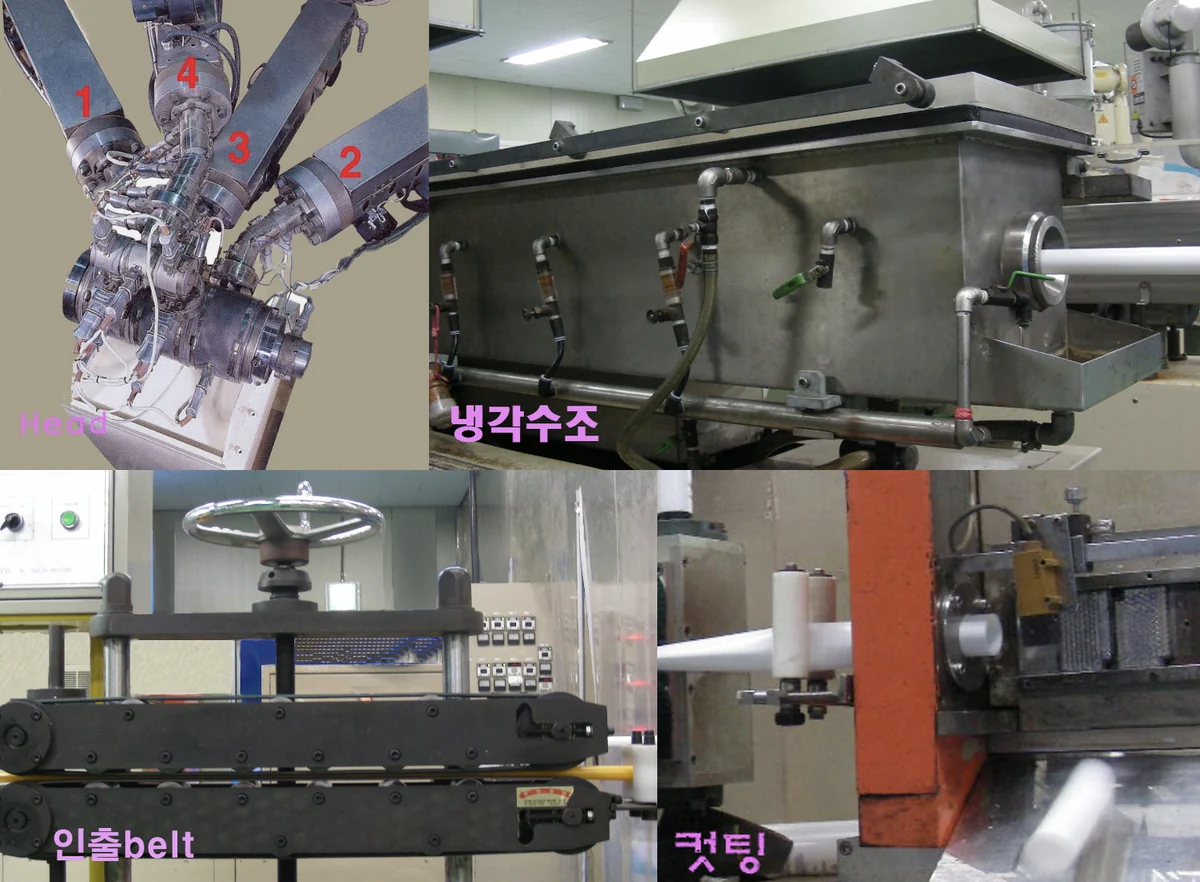
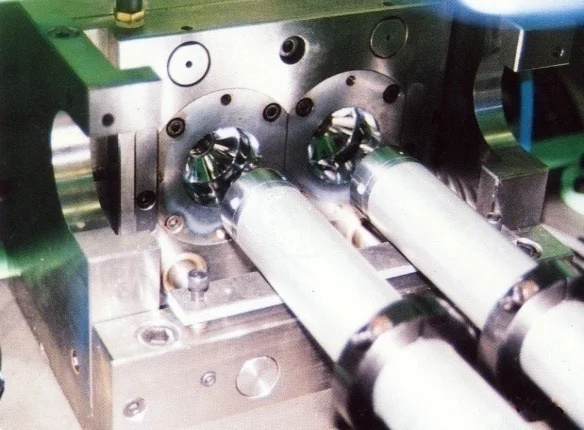
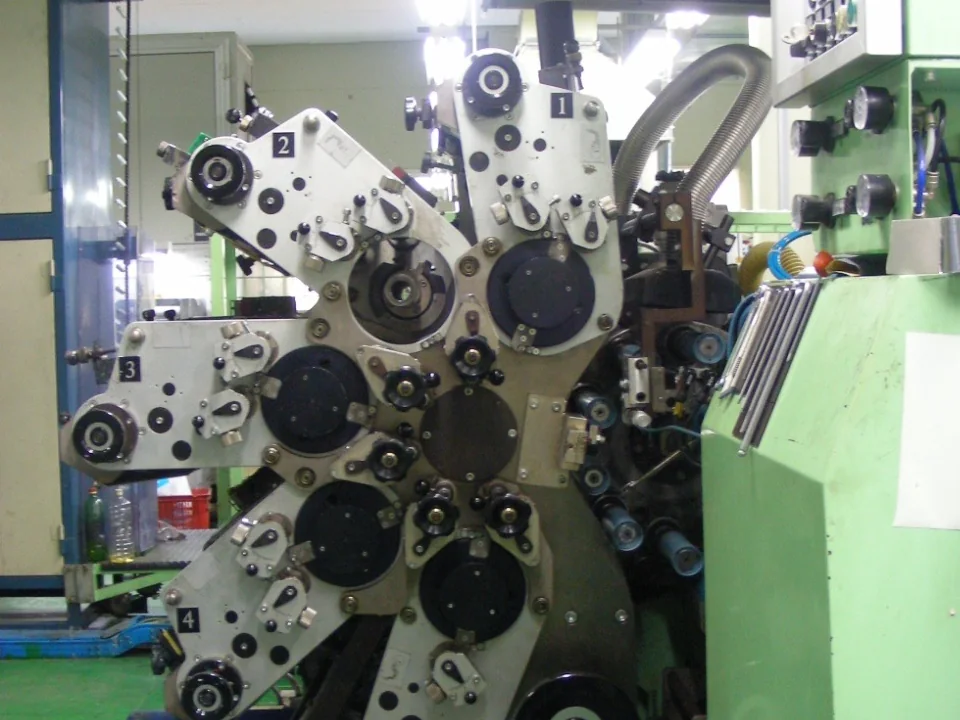
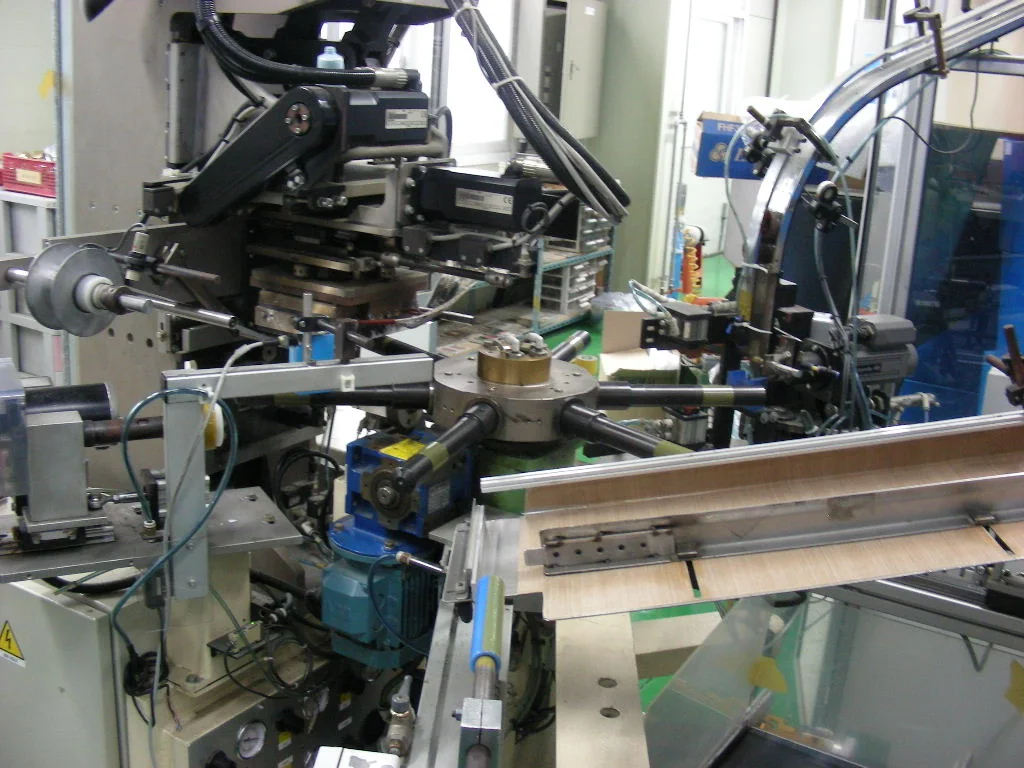
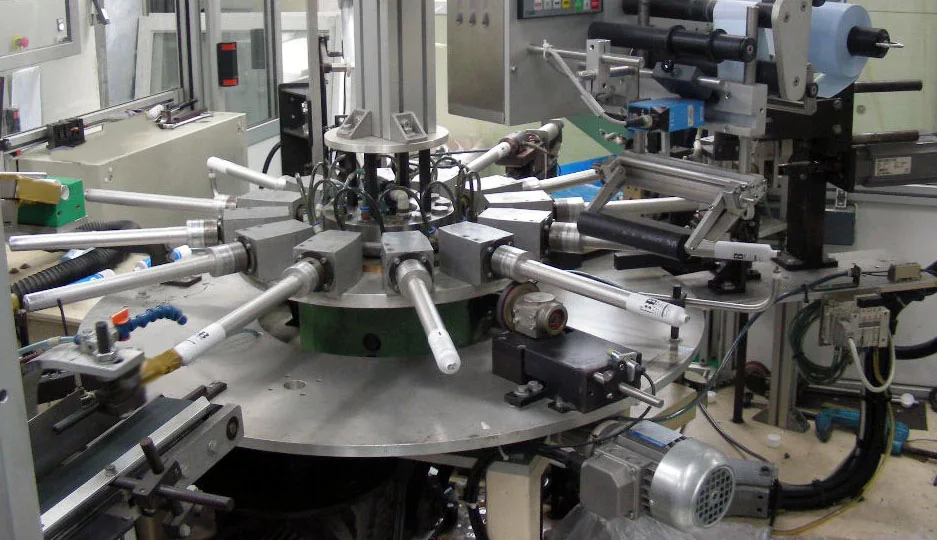
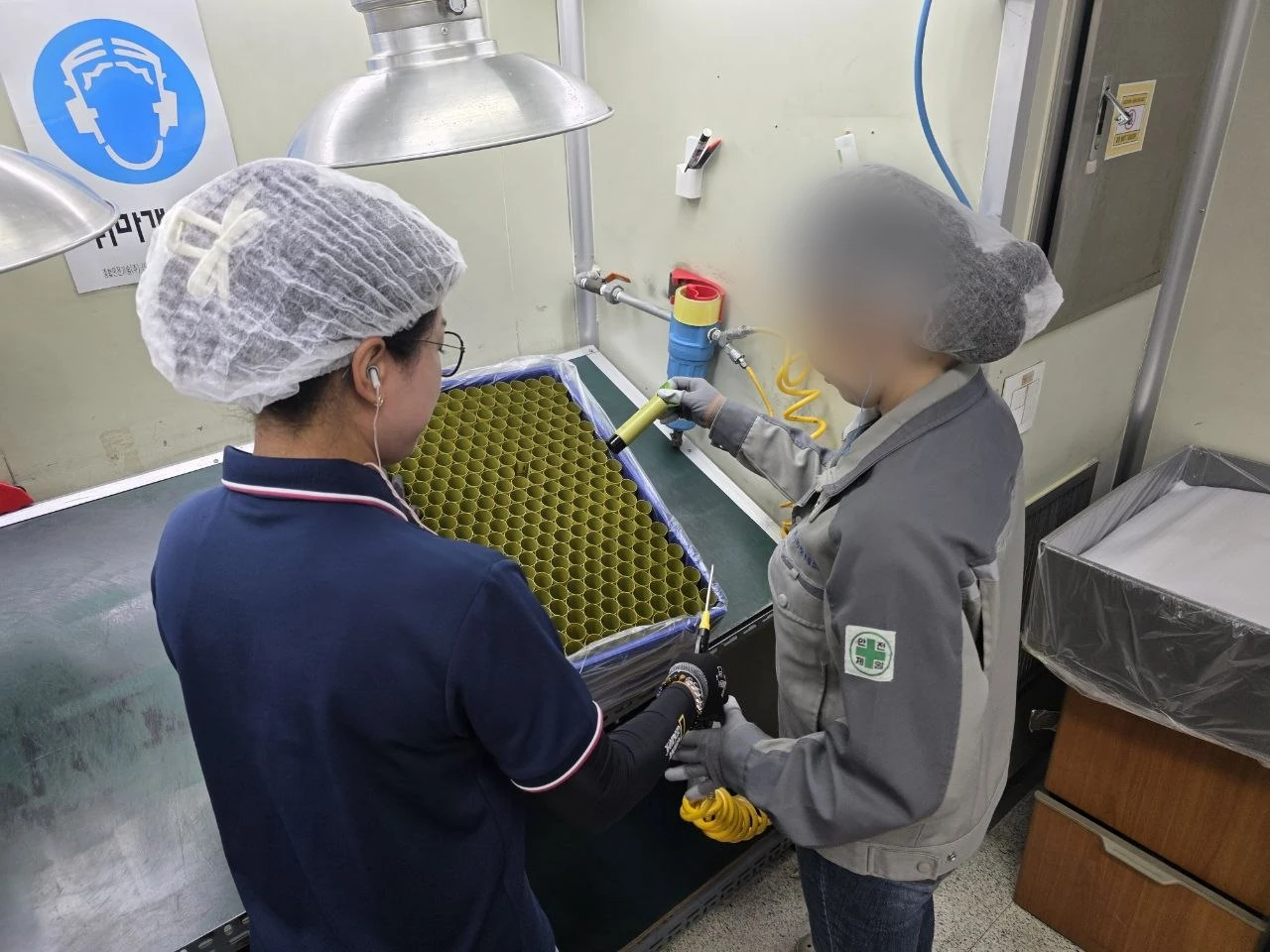
Photographs show JOOPOONG manufacturing operations. The applicable steps and sequence vary by product structure and specification.
TWO PROCESS PATHS
PE tube bodies are coextruded into a seamless form. Laminate tube bodies are made by joining the longitudinal edges of multi-layer web. Both continue through head and neck forming, decoration, cap fitting, inspection, and packing.
PROCESS DETAILS
Coextrusion forms a PE body from multiple resin layers. Web joining rolls laminate material and connects its longitudinal edges.
Forms the shoulder and neck while considering the cap and dispensing orifice.
PE surfaces may require preparation to support print adhesion before offset or screen printing.
Apply the required metallic, color, holographic, or label expression.
Apply an opening seal where specified, fit the cap, and check orientation and engagement.
Check appearance, printing, and assembly to the process criteria before packing.
FAQ
PE tube bodies begin with extrusion. Laminate tube bodies begin by joining multi-layer web.
PE has low surface energy, so preparation may be required to support print adhesion for the selected printing method.
The basic flow is similar, but applicable steps and sequence vary with the tube structure, decoration, and cap specification.
Send us the formula category, target volume, tube shape, cap, printing, and decoration requirements.
Contact JOOPOONG · office@joopoong.co.kr